Protect / Fort Lauderdale

Periodontal Care in Fort Lauderdale

Healthy gums help support everything else.

Patient smiling while speaking with a dentist

Start with your concern

Bleeding or tenderness deserves an evaluation.

Periodontal care focuses on gum health and the tissues that support your teeth. If you notice bleeding, tenderness, or changes, an evaluation can clarify next steps.

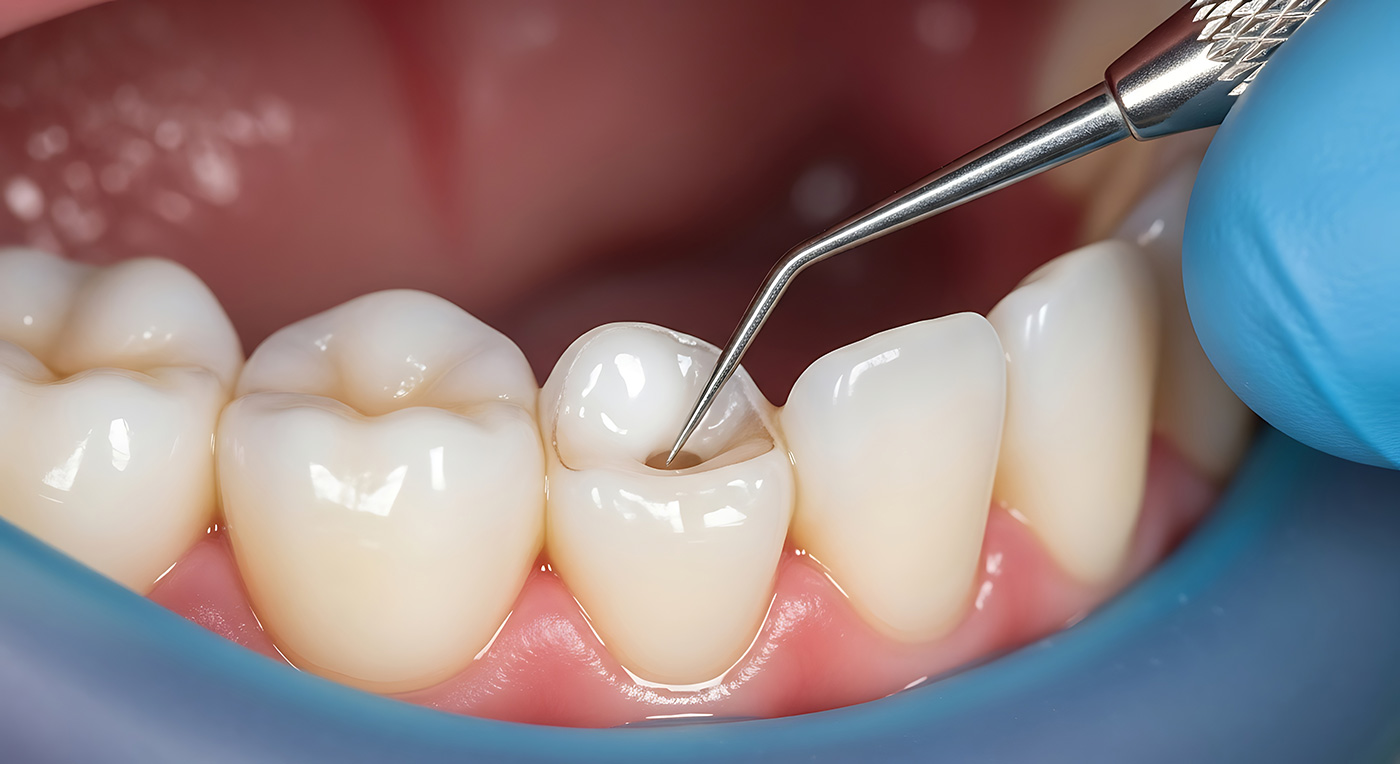
Dentist treating a tooth during a close-up dental procedure

The care behind the choice

Recognize changes in the gums

Bleeding, tenderness, recession, or persistent bad breath may signal a gum concern. Periodontal disease can also progress quietly, which is why measurements and exams matter.

Your visit

What to expect.

A clinical evaluation is needed to diagnose gum disease and determine treatment.

  1. Assess gum and bone health.

  2. Explain findings and treatment options.

  3. Build a maintenance plan suited to your needs.

Before you decide

Details worth discussing.

Treatment and maintenance

Depending on the findings, care may include scaling and root planing, a refined home routine, and periodontal maintenance visits. Our team will monitor how your gums respond.

Measurements make the plan clearer

Gum pocket depths, bleeding, recession, and imaging when indicated help show whether the supporting tissues are healthy. Those findings also give our team a baseline for checking response to treatment. Ask which areas need attention and whether the recommendation is a routine cleaning, deeper therapy, or a specialist consultation.

Maintenance is part of treatment

Gum disease can return if plaque accumulates below the gumline again. After active care, our team may recommend a different cleaning interval and show you how to clean around vulnerable areas at home. Follow-up is the point at which the plan can be adjusted to how your gums actually respond.

Good to know

Periodontal Care FAQs

Find a clear starting point, then ask our team about your individual needs.

What are common signs of gum disease?

Bleeding, tenderness, swelling, bad breath, and gum recession can be signs, although disease may develop without obvious symptoms.

What is scaling and root planing?

It is a deeper cleaning below the gumline when periodontal evaluation shows that it is needed.

Ready when you are

Better dental care starts here.

Personalized dentistry, thoughtful guidance, and more of your care in one place.